Sectors and Value Chains
Where the jobs actually are, traced from production through processing and distribution to the consumer.
Where the jobs sit along a value chain
The same commodity passes through several hands between the field and the plate. Each step is a place where a cooperative can hold ground, add value and employ people.
The ten topics below take one value chain at a time — livestock, crafts, textiles, health care, mining, input supply, cold storage, markets and exports — and set out where the work and the margin actually sit. They are chapter summaries, not the full text.

8. Jobs in ASALs
Livestock value chains generate many jobs at various value-chain nodes, from the grazing land through the feedlots to processing, distribution, and consumer stores or eateries. This section inspires livestock owners to contribute to job creation, increased incomes, dividends, bonuses, and products that meet international quality standards through co-operatives. It explains: Characteristics of the Livestock Sector in ASALs; Hindrances to Livestock Growth and Pastoralist Resilience; the Appropriate Cooperative Model for Livestock Development and Marketing; Why Livestock Prices in ASALs Are Low; Specialised Services for Livestock Development and Marketing Cooperatives, including Processing; establishing Marketing Subsidiaries and Partnerships; Governance Structure; and the Employment Opportunities and benefits created by the Cooperative Model.
9. Livestock Marketing Cooperatives

10. Arts and Crafts Cooperatives
People require arts and crafts for home and office decor, clothing, cultural preservation, personal beauty, and the expression of feelings. Artisan and craft-related jobs expand as the population increases. Organised artisans in cooperatives could have a significant share of the global market. This section is about: Sources of raw materials for Arts and Crafts; importance of Arts and Crafts; Key Challenges Facing Arts and Crafts Producers; Why Cooperatives Matter; Role of Government; Specialised Support Institutions; Federation of Industrial or Arts and Crafts Cooperatives; and Co-Partnership Through Special Purpose Vehicles (SPVs).

11. Textile and Apparel Cooperatives
Jobs in the textile and apparel sector arise from an increasing population demanding clothing, garments, and other physical items worn on the body, such as shirts, pants, outerwear, and specialised garments like activewear and work uniforms. Rising demand triggers production of fibers, threads, or yarns from cotton or silk produced by farmers. This section points to sources of jobs and presents: Goal and Strategic Objectives; Priority Areas for Job Creation; Raw Material Production; Ginning and Primary Processing; Textile Manufacturing; Apparel and Garment Production; Creative Design and Product Development; Distribution, Marketing, and Retail; Skills Development and Capacity Building; Role of Cooperatives and Enterprise Clusters; and Implementation Approach.

12. Health Care Workers’ Cooperatives
The health sector could be the highest provider of job opportunities. Increased population, exposure to a variety of diseases, accidents and epidemics, among other environmental risks, create demand for health facilities and trained human resources to operate them. This section demonstrates the potential for health workers to create jobs by forming, investing in and operating cooperatives in the health sector: How Health Care Workers’ Cooperatives Create Jobs; Why Health Workers Should Invest In Healthcare Cooperatives; Advantages of Health Workers’ Cooperatives; How Health Workers’ Cooperatives Operate; Health Workers’ Cooperatives in Universal Health Coverage; Why Health Workers’ Cooperatives Are Strategic; Types of Health Services Cooperatives; Benefits of Health Care Cooperatives; Uniqueness of Health Care Cooperatives; Inspiring International Models; Potential for Health Workers’ Cooperatives in Africa; Approach, Strategy and Guidelines for Designing the Model; Road Map to Establishing Health Workers’ Cooperatives; and Key Responsibilities of the Interim Management Committee.

13. Diaspora Mining Cooperatives Partnership
Accessing wealth beneath requires advanced technologies for mining and processing the target minerals. For artisanal mining cooperatives to mine deeper for more and have a share of value added, they need partnership with diverse investors including Diaspora investments in small and medium mining cooperatives, thereby creating employment opportunities for youths. This section presents: Key Challenges Facing Miners; Skilled Human Resource Potential; Opportunities for Diaspora Partnerships; Partnership Models and Roles; Artisanal Miners and Diaspora Investors; Special Purpose Vehicles (SPVs); Human Rights, Safety, and Inclusive Supply Chains; Technology Partnerships; Diaspora Linkages with Ultimate Buyers; Federation of Mining Cooperatives; and Recommendations.

14. Cooperatives Inputs Supply
Young men and women entrepreneurs need input supplies close to their enterprises. Cooperative societies perform this function as agro-service centres. In addition, they promote Soil Testing and Extension Services; Efficient Use of Inputs; Mechanization; last-mile distribution; and integrated support systems. This section also explains the role of Federations and other Apex Bodies.
15. Cooperatives Cold Storage
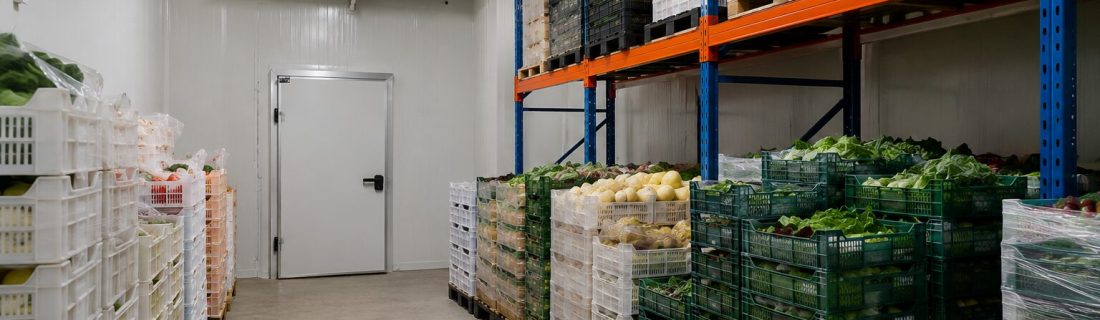
Sustainable job creation is hindered when cooperatives do not invest in technologies that maintain appropriate commodity temperatures and quality specifications for perishable commodities. Bargaining for fair prices and profits is impossible without investments in cold storage and chilling facilities. This section explains the Importance of Cold Storage Facilities; Prevention of Market Gluts and Price Collapse; Supporting Value Addition Activities; Supporting Increased Agricultural Production; Strengthening Refrigerated Transport Systems; and Adoption of solar energy systems. It highlights the strategies, advantages, and regulatory and institutional support needed for cooperatives to invest in cold storage facilities, and the role of the cooperative value chain Federation in the forward and backward commodities marketing linkages.
16. Marketing and Types of Markets
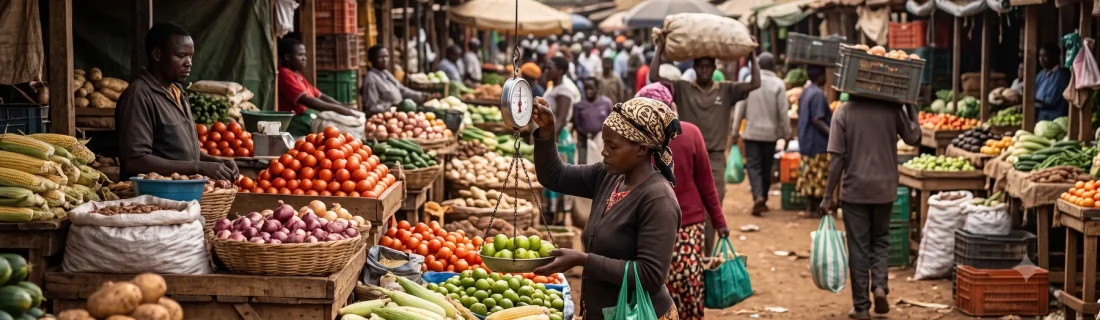
This section covers different types of markets for commodities, products, and services. It explains categories such as area of coverage, time span, size, buyer-seller agreements, goods sold, competition, commodity nature, marketing stage, government control, and the marketing mix.

17. Export Markets Development
This case study aims to illustrate the technical processes involved in ensuring that the commodities produced by cooperatives and partners meet international handling standards in markets abroad. This section explains: Why and how cooperatives can access International markets for their commodities; objectives for seeking international markets; a case study about building markets that meet international standards; Technical Assistance in Wholesale Market Development, Training, Capacity Building, Follow-Up Support and Quality Assurance; and Lessons for Cooperatives and Governments.
Source: Job Creation Opportunities (Shirikiana handbook, in preparation), contents of August 2026. Summaries are published as chapters are finalised.
Ready to join a value chain?
Each sector here is a summary of a chapter from our handbooks. Tell us which one interests you and we will point you to the right people.
Shirikiana —> to work with one another. The founding values of the cooperative movement, self-help, self-responsibility and solidarity, remain the most practical basis for collective enterprise. We join knowledge, applied action and ethical responsibility in member-owned, member-governed enterprise, guided by the International Cooperative Alliance’s principle of concern for community. We proceed incrementally, attribute every partner by name, and distinguish demonstrated capacity from stated intent.